All Points Garage Doors: Top Guidance for Diagnosing Typical Concerns
All Points Garage Doors offers valuable information about common garage door issues. A large number of homeowners deal with challenges like door misalignment, disruptive noises, or faulty remote controls. Being aware of these concerns is vital for efficient diagnosis and repair. Basic measures can frequently address minor problems. Yet, ongoing problems may suggest more serious underlying causes. Considering preventive care advice and recognizing when professional assistance is needed can greatly impact the lifespan of a garage door system. What should one consider before attempting repairs?
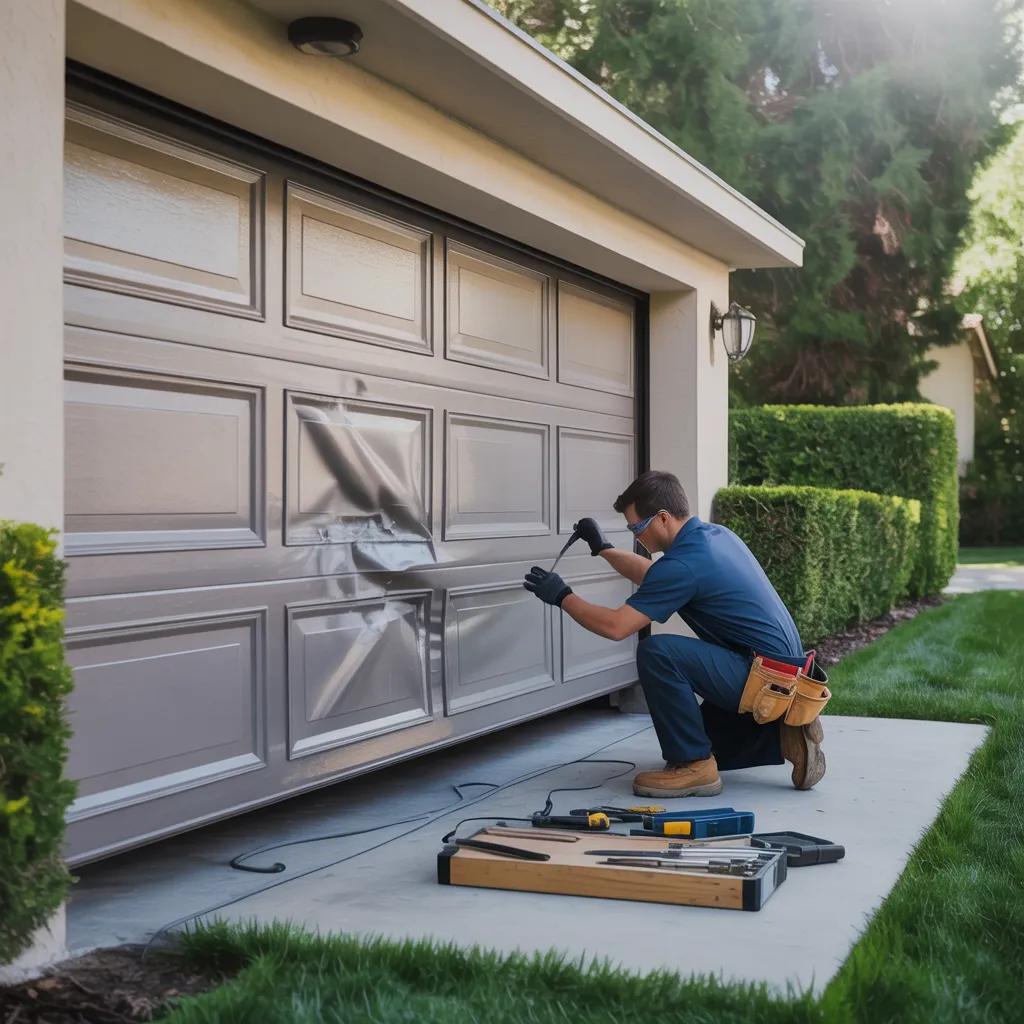
Frequent Garage Door Issues and Their Warning Signs
Garage doors may display a variety of problems that could affect their performance. One common problem is misalignment, which can lead to the door sticking or not shutting properly. Indicators of this problem include irregular movement during use or spaces at the top or bottom of the door when closed. A malfunctioning remote control is another common problem, shown by the door failing to respond even when the buttons are pressed. Furthermore, deteriorated springs can cause trouble opening the door or produce noticeable sounds during operation; this typically demands prompt attention. Another symptom to watch for is a door that reverses unexpectedly, suggesting a possible obstruction or sensor issue. Finally, rust or corrosion can affect tracks and rollers, causing irregular operation. Identifying these symptoms early can help prevent more significant problems and guarantee the door operates smoothly.
How to Troubleshoot a Garage Door That Won't Open
A malfunctioning garage door can be aggravating, particularly when it blocks access to important items. As a first step, inspecting the power supply is recommended; verifying the opener is plugged in and the circuit breaker remains intact can address many common issues. Additionally, examining the batteries in the remote control is advisable. Should the batteries be depleted, installing new ones may bring back proper operation.
If the door still won't open, inspect the channels for grime or buildup. Eliminating any debris can often allow the door to move freely. Additionally, verifying that the sensors are properly aligned is essential; misaligned sensors can disrupt operation.
If these measures prove unsuccessful, you might want to consider using the door in manual mode. Engaging the emergency release cord can enable manual movement. If the problem continues to occur, it may be necessary to contact a professional to assess and address more complex concerns, guaranteeing the safe and dependable function of the garage door.
Fixing Noisy Garage Doors
A noisy garage door can be quite bothersome, commonly suggesting hidden issues that demand consideration. Identifying the sources of the noise, applying lubrication to moving components, and tightening loose hardware are essential steps to restore quiet operation. Addressing these factors can greatly enhance the door's performance and longevity.
Determine Noise Sources
How can homeowners identify the origins of noise coming from their garage doors? Identifying the origin of noise is essential for effective troubleshooting. Homeowners should start by observing the door's operation while opening and closing it. Noting distinct sounds—such as grinding, squeaking, or rattling—can help identify different underlying issues. In addition, checking critical components like the tracks, rollers, and copyrights may expose wear or damage. A detailed examination of the garage door opener and springs should be carried out as well, since these components can produce unwanted sounds. By systematically analyzing these elements, homeowners can better understand the underlying causes of noise, paving the way for appropriate solutions. This proactive approach can ultimately enhance the door's performance and longevity.
Oil Moving Components
Maintaining smooth operation of garage doors frequently necessitates routine lubrication of mechanical components. With time, parts including copyrights, rollers, and tracks may dry out, leading to increased friction and noise. Applying a silicone-based lubricant or lithium grease to these areas can greatly reduce unwanted sounds and improve functionality. It is crucial to avoid using WD-40 or similar products, since they tend to collect dust and debris, worsening the issue over time. Routinely checking these components for signs of wear can also ensure a longer lifespan. A well-lubricated garage door operates quietly and efficiently, elevating the everyday experience of operating the garage. This simple maintenance step can prevent more serious issues down the line, supporting the door's consistent and dependable operation.
Secure Loose Hardware
Tightening loose hardware can greatly reduce the clanking and rattling noises that often plague garage doors. As time passes, screws, bolts, and brackets may become loose due to everyday use and environmental conditions. Such looseness can result in unwanted noise as the door moves. To address this, homeowners should inspect all hardware, including copyrights, tracks, and roller brackets. A quick visual examination can often expose loose elements. Using the appropriate tools, such as a socket wrench or screwdriver, tightening these sections can restore stability and minimize sound. Regular maintenance, including regular inspections for loose components, is necessary to ensure longevity and seamless functioning of the garage door. This preventive approach can enhance the overall functionality of the system.
How to Address an Imbalanced Garage Door
An unbalanced garage door can lead to numerous complications, ranging from excessive noise to significant damage. To resolve this issue, one must first inspecting the door's springs and cables for signs of wear or damage, as these elements are vital to the door's balance. If the springs are old or frayed, replacement is necessary to re-establish the correct tension. Following this, evaluate the rollers and tracks for any obstructions or misalignments that may affect the door's operation.
Changes in the tension on the springs could also be needed. This may be accomplished using a wrench to secure or relax the spring, ensuring balanced tension across both sides. If the door remains unbalanced, it might be advisable to consult a professional technician. Regular checks and timely repairs can minimize further problems, ensuring the garage door runs efficiently and effectively.
How to Maintain Your Garage Door
Regular maintenance is vital for the lifespan and operation of a garage door. Property owners should start by assessing the door and its components a minimum of two times annually. Looking for indicators of deterioration, such as oxidation or damaged cables, can avoid potential All Points Garage Doors problems. Greasing the mechanical parts, including copyrights, rollers, and tracks, promotes efficient movement and decreases wear and tear.
Moreover, inspecting the door's protective mechanisms, such as automatic reversal systems, ensures safe and effective use. Cleaning the tracks and removing debris prevents potential blockages that could affect performance.
Adjusting the springs and ensuring proper alignment remains critical; however, these procedures may call for professional assistance. Lastly, keeping up with the weather seal helps improve energy efficiency while protecting against the elements. By observing these practices, homeowners can prolong the lifespan of their garage doors and preserve optimal performance.
When to Contact a Professional for Repairs
Recognizing when to hire a qualified expert for garage door maintenance issues is critical for safe and proper operation. Extensive damage, frequent malfunctions, and safety concerns should necessitate immediate specialist involvement. Addressing these issues promptly can eliminate further problems and ensure safe functionality.
Critical Damage Evaluation
When significant damage takes place, evaluating the extent of the problem proves critical in deciding whether professional repairs are necessary. Clear evidence of substantial damage includes major dents, damaged springs, or off-track components. These concerns can undermine both safety and operation, making it essential to resolve them without delay. Additionally, if the garage door fails to operate smoothly, strange sounds emerge, or problems develop with the remote or keypad, this may signal underlying mechanical issues. Residents should also factor in how old the door is; older models may require more extensive repairs or even replacement. In such cases, consulting a professional with expertise in garage door systems can ensure a comprehensive evaluation and successful outcome, protecting the household and those living within it.
Frequent Problem Patterns
Upon assessing significant damage, homeowners may notice persistent problem patterns that necessitate professional assistance. Typical problems involve doors that struggle to open or close properly, odd noises while functioning, and erratic reactions to remote controls. These issues frequently suggest deeper mechanical or electrical issues, such as deteriorated springs, defective sensors, or damaged wiring. Should these problems continue after basic troubleshooting, consulting a qualified professional is recommended. Regular maintenance can help prevent these patterns, but when they occur, they indicate that DIY repairs may be insufficient. Prompt action by a certified professional can secure safety and reestablish proper operation, significantly increasing the longevity of the garage door system. Property owners ought to seek expert assistance when dealing with ongoing malfunctions.
Safety Issues Identified
Even though many garage door concerns can be handled through standard troubleshooting, certain safety concerns necessitate immediate professional intervention. If a garage door exhibits erratic behavior, like opening or shutting without warning, it poses significant risks to both individuals and property. Malfunctions in the door's safety sensors or springs can lead to severe injuries or accidents. Moreover, if there are clear signs of damage, like worn cables or compromised tracks, these conditions should prompt a call to a professional. Trying to fix these issues independently can worsen the problem or introduce new dangers. Therefore, when personal safety is a concern, it is advisable to obtain expert support to ensure correct handling and resolution of the concerns present.

Answers to Your Most Common Questions
What Is the Recommended Frequency for Garage Door Inspections?
Garage doors should be inspected no less than twice annually to ensure they function correctly. Routine inspections can detect problems before they worsen, which helps preserve safety and extend the lifespan of the door and its parts.
What Types of Garage Door Materials Are Available?
Various materials for garage doors include aluminum, steel, wood, vinyl, and fiberglass. Each material offers distinct advantages, like structural durability, aesthetic value, and insulation performance, allowing homeowners to choose based on their specific needs and preferences.
Is It Possible to Replace My Garage Door Opener on My Own?
Indeed, homeowners can install a replacement garage door opener themselves, so long as they are equipped with basic tools and follow manufacturer instructions. That said, one should proceed carefully, as faulty installation risks causing serious safety concerns or performance complications.
How Does Changing Weather Impact Garage Doors?
Changing weather conditions can have a major effect on garage doors. Extreme temperatures can lead to expansion or contraction of components and materials, resulting in poor alignment, reduced performance, or failing parts, directly affecting the door's functionality and durability in the long run.
Which Safety Features Should My Garage Door Include?
A garage door should incorporate security components such as auto-reverse systems, optical safety sensors, and robust security locks. These elements improve security by minimizing accidents and blocking unauthorized access, giving homeowners the assurance they deserve.